
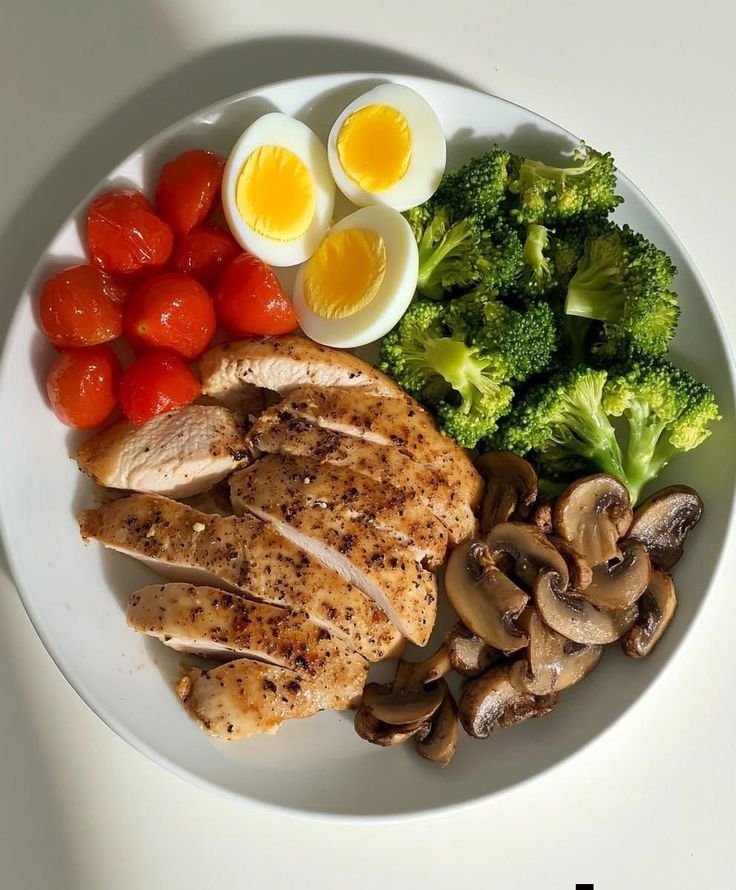
Discover the best Healthy Foods for a balanced diet, including fruits, vegetables, whole grains, protein, healthy fats, and simple everyday choices.
Eating well does not have to mean following a complicated diet. The foods you choose every day can have a meaningful effect on your energy, digestion, weight, and overall health.
The best approach is to build meals around a variety of nutritious foods instead of depending on one “perfect” food. Fruits, vegetables, whole grains, beans, nuts, seeds, and quality protein can all have a place in a balanced eating pattern.
What Are Healthy Foods?
Healthy foods are generally foods that provide useful nutrients such as vitamins, minerals, protein, fiber, and beneficial fats without excessive amounts of added sugar, sodium, or unhealthy fats.
Fresh foods are a great choice, but healthy eating does not require everything to be completely fresh. Frozen or canned fruits and vegetables can also work well when they have little or no added sugar and excess sodium.
There is also no single food that provides everything your body needs. Variety matters because different foods offer different nutrients.
Why Healthy Foods Matter
A balanced diet supports the body’s everyday needs. It provides energy, helps maintain normal body functions, and supplies nutrients needed for growth and repair.
Research-based dietary guidance also connects healthy eating patterns with a lower risk of several serious health problems. Diets rich in vegetables, fruits, whole grains, legumes, and nuts are consistently recommended as part of a healthy lifestyle.
The goal is not perfection. What matters most is the overall pattern of your eating habits.
Best Healthy Foods to Add to Your Diet
1. Colorful Vegetables
Vegetables are some of the easiest foods to add to a balanced meal. Leafy greens, carrots, tomatoes, peppers, broccoli, and other vegetables provide vitamins, minerals, fiber, and other useful plant compounds.
Try adding different colors to your plate. A colorful selection can make meals more appealing while helping you get a broader range of nutrients.
Steaming, roasting, grilling, or lightly cooking vegetables can be simple alternatives to deep-frying them.
2. Fresh Fruits
Apples, oranges, bananas, berries, pears, mangoes, and other fruits are convenient choices for snacks and meals.
Fruit provides vitamins, minerals, water, and dietary fiber. Whole fruit is generally a better choice than relying heavily on fruit juice because whole fruit retains its fiber and can be more filling.
You can add fruit to breakfast, enjoy it between meals, or use it as a simple alternative to desserts with lots of added sugar.
3. Whole Grains
Whole grains include foods such as oats, brown rice, whole-wheat bread, barley, and other minimally processed grains.
They provide fiber along with vitamins and minerals. Compared with refined grains, whole grains retain more parts of the grain and can contribute to a more nutritious diet.
A simple change is replacing some refined-grain foods with whole-grain alternatives. Oatmeal at breakfast or brown rice with lunch can make this transition easy.
4. Beans and Lentils
Beans, chickpeas, peas, and lentils are affordable and versatile sources of protein and fiber.
They can be added to soups, salads, curries, rice dishes, and wraps. They are particularly useful for people who want more plant-based protein in their meals.
Pulses are also an important part of dietary patterns recommended by major health organizations because they provide useful nutrients while adding variety to meals.
5. Nuts and Seeds
Almonds, walnuts, pistachios, pumpkin seeds, chia seeds, and other nuts and seeds can provide protein, fiber, minerals, and unsaturated fats.
Because they are energy-dense, portions can be kept moderate. A small handful can make a convenient snack or topping.
Try adding nuts to oatmeal or yogurt, or sprinkle seeds over salads and other meals.
6. Quality Protein Sources
Protein is important for maintaining and repairing body tissues. Good options include eggs, fish, poultry, beans, lentils, soy foods, nuts, seeds, and other suitable protein sources.
The best choice can depend on personal preferences, dietary needs, culture, and availability.
A useful habit is to include a source of protein in your main meals rather than building meals mostly around refined carbohydrates.
7. Fish and Seafood
Fish and seafood can provide high-quality protein along with important nutrients. Some types of fish also provide omega-3 fatty acids.
Grilled, baked, or steamed fish can be a nutritious alternative to heavily fried preparations.
Choosing different protein sources throughout the week can make your diet more varied and enjoyable.
8. Healthy Fats
Fat is not something that needs to be completely removed from a healthy diet. The type and amount matter.
Foods such as avocados, nuts, seeds, and certain vegetable oils provide mostly unsaturated fats. These can be useful alternatives to foods high in saturated or industrially produced trans fats.
Using reasonable amounts of healthier oils for cooking or dressing can be an easy improvement.
How to Build a Balanced Meal
Combine Different Food Groups
A simple meal does not need to contain dozens of ingredients. Try combining vegetables or fruit with a whole-grain food and a quality protein source.
For example, you could have grilled chicken with vegetables and brown rice. Another option could be lentils with vegetables and whole-grain bread.
Adding a small amount of healthy fat, such as nuts, seeds, avocado, or an appropriate vegetable oil, can complete the meal.
Focus on Variety
Eating the same food every day may make your diet less varied. Different foods provide different combinations of nutrients.
Change your fruits and vegetables throughout the week. Alternate between beans, fish, eggs, poultry, nuts, and other protein sources according to your preferences.
Variety is one of the core principles of a healthy diet because it makes it easier to obtain a wider range of nutrients.
Healthy Foods for Better Digestion
Fiber is an important part of a balanced diet. It is found naturally in fruits, vegetables, whole grains, beans, nuts, and seeds.
Fiber can support digestive health and may help you feel full for longer. Increasing fiber gradually while drinking enough fluids can make it easier to include more fiber-rich foods in your routine.
Instead of suddenly changing everything you eat, add one additional serving of vegetables, fruit, beans, or whole grains at a time.
Foods to Limit
Healthy eating is not only about what you add. It is also about being mindful of foods that provide large amounts of added sugar, sodium, saturated fat, or unhealthy trans fats.
Highly processed foods can sometimes be convenient, but many are high in ingredients that are better consumed in limited amounts. WHO and CDC guidance recommends emphasizing nutritious foods while limiting added sugars, sodium, saturated fats, and highly processed choices.
This does not mean you can never enjoy your favorite foods. A balanced diet can include occasional treats while keeping nutritious foods at the center of everyday meals.
Easy Ways to Eat Better Every Day
Start With Small Changes
You do not need to completely change your diet overnight. Small changes are often easier to maintain.
Add fruit to breakfast. Replace a refined grain with a whole-grain option. Add vegetables to lunch or dinner. Keep nuts or fresh fruit available for simple snacks.
These small decisions can gradually improve the overall quality of your meals.
Plan Your Meals
Meal planning can make nutritious choices easier when you are busy.
Before the week starts, think about a few simple meals you can prepare. Keep basic ingredients such as vegetables, fruits, whole grains, beans, eggs, or other preferred protein sources available.
Planning also reduces the temptation to depend on less nutritious convenience foods when you are hungry.
Drink More Water
Water is a simple part of a healthy eating routine. Choosing water instead of sugar-sweetened drinks can reduce unnecessary added sugar.
You can also add fruit or herbs to water if you prefer more flavor.
The exact amount of fluid a person needs varies, so your daily needs may depend on factors such as activity level, climate, and individual circumstances.
Are Healthy Foods Expensive?
Eating well does not always require expensive ingredients. Many nutritious foods can be affordable, especially when meals are based on simple staples.
Beans, lentils, oats, seasonal vegetables, fruits, eggs, and whole grains can all be practical options.
Buying foods that are in season, planning meals, and preparing more meals at home can also help manage costs.
The most important thing is to focus on the nutritional quality of your overall diet rather than assuming that expensive products are automatically healthier.
A Simple Healthy Eating Routine
A practical routine can start with a few basic habits.
Choose a fruit or vegetable with most meals. Include a protein source. Pick whole grains more often. Add moderate amounts of healthy fats. Drink water regularly.
At the same time, keep foods high in added sugar, excessive sodium, and unhealthy fats as occasional choices rather than everyday staples.
This approach is easier to maintain than a strict eating plan that leaves little room for normal life.
Final Thoughts
Choosing Healthy Foods is less about finding one magical ingredient and more about creating better eating habits over time.
A balanced diet can include colorful vegetables, whole fruits, whole grains, beans, lentils, nuts, seeds, quality protein, and healthy fats. The key is variety, balance, and moderation.
You do not have to make every meal perfect. Start with realistic changes that fit your lifestyle and continue building better habits.
When nutritious foods become a regular part of everyday meals, healthy eating can become simple, practical, and enjoyable.
Pingback: One-Pot Meals: Easy, Quick & Delicious Ideas - foodbloom.site